
Medical Dermatology
Acne Treatment in Peachtree City, GA
Acne is the most common skin condition we treat — and one of the most treatable. Whether it's a teenager's first breakouts or adult acne that showed up out of nowhere, prescription-strength care almost always works better than the next thing on the drugstore shelf. We build a plan for your skin, your schedule, and your budget, and we adjust it until it works.
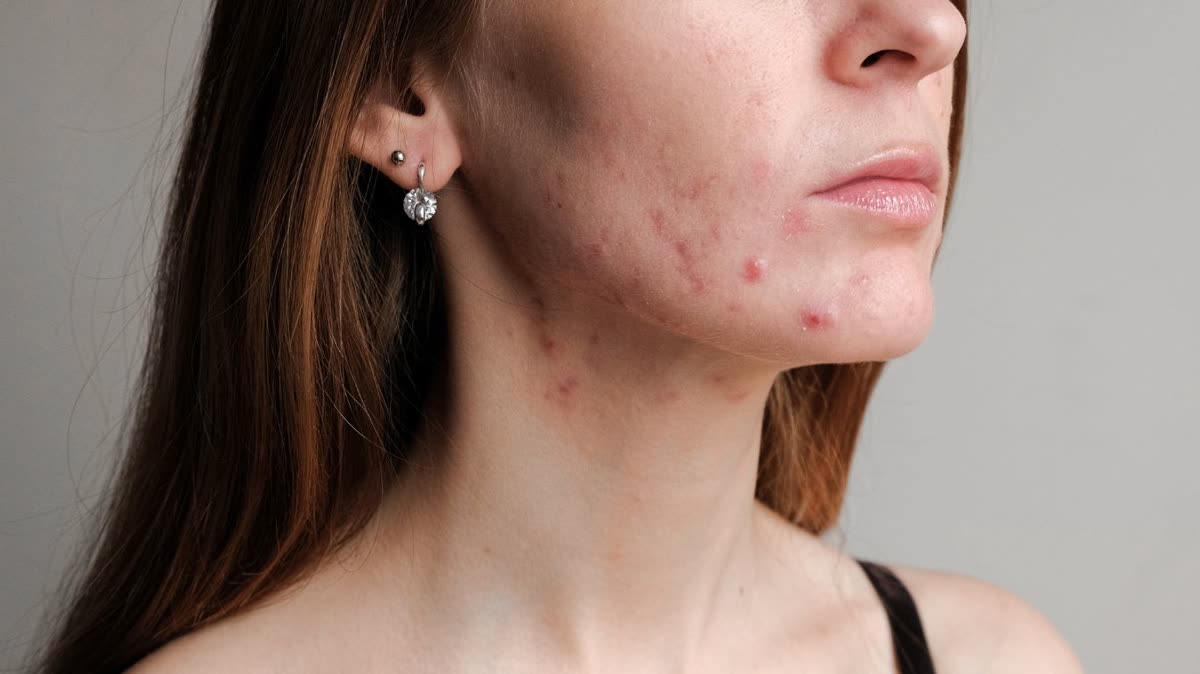
What causes acne
Acne happens when pores clog with oil and dead skin cells, and bacteria multiply inside them. Hormones, genetics, stress, certain medications, and some hair and skin products all play a role. It isn't caused by dirty skin — and scrubbing harder usually makes it worse. More than 40% of adolescents have acne severe enough to see a physician by their mid-teens; it typically starts between ages 10 and 13 and usually settles by the early 20s, though many adults — especially women, with cycle-related flares — deal with it well beyond that.
Acne shows up as open and closed comedones (blackheads and whiteheads), red inflamed papules and pustules, flat red macules, and deeper painful nodules and cysts — on the face, and often the neck, chest, back, and shoulders too. Deep, nodulocystic acne is the kind most likely to scar, which is why we treat it early and aggressively. One more reason not to squeeze: picking opens the door to true skin infection.
How we treat it
Treatment depends on the type and severity of your acne:
- Prescription topicals — retinoids, benzoyl peroxide combinations, and topical antibiotics that unclog pores and calm inflammation.
- Oral medications — short courses of antibiotics for inflamed acne; hormonal options like spironolactone or birth control pills for many adult women.
- Isotretinoin (Accutane, Absorica, Claravis, and other brands) — a vitamin-A derivative that shrinks oil glands, typically a 4–5 month course for severe, scarring, or stubborn cystic acne. Our physicians manage the full course, including the required lab monitoring and iPLEDGE enrollment — the federal safety program required because isotretinoin causes severe birth defects if taken during pregnancy.
- Light and laser therapy — Blu-U blue-light sessions for acne-causing bacteria, the Accure laser (gentle pulses that target the overactive oil glands at acne's root — about four quick sessions, no downtime), and VBeam for the red marks acne leaves behind.
- In-office care — injections that calm a large, painful cyst within days, and extractions done safely.
Most plans need 6–12 weeks to show real improvement — acne treatment is a marathon, not a sprint, and we'll see you back to adjust the plan until your skin is clear.
Acne scars
The best scar treatment is preventing scars in the first place — treating active acne early. For scars that are already there, we'll examine your skin and go over what's realistic, from medical options to resurfacing treatments available through our cosmetic side, Carroll Cosmetic Club.
Cosmetic options, once it's controlled
Cosmetic options: once the medical side is controlled, treatments like microneedling and the CoolPeel CO2 laser at our in-office med spa, Carroll Cosmetic Club, can address the marks it left behind.
Related: Rosacea · Eczema & Dermatitis
This page is general education, not a diagnosis — see a dermatologist in Peachtree City about your specific skin concern.
Common questions
If over-the-counter products haven't helped after a couple of months, if acne is painful or cystic, if it's leaving marks or scars, or if it's affecting their confidence — come in. Early treatment prevents scarring, and teens often respond quickly.
Adult acne is common, especially in women, and often hormonal — flaring around cycles, pregnancy, or stress. It's frustrating, but it responds well to prescription treatment, including hormonal options that target the root cause.
No — isotretinoin is one tool for severe or scarring acne that hasn't responded to other treatment. Most acne clears without it. When it is the right choice, our physicians walk you through exactly what the course involves.
Most prescription plans show meaningful improvement in 6–12 weeks. We usually schedule a follow-up to fine-tune the plan — clear skin is a process of adjustment, not a single magic prescription.
Acne is a medical condition, and most insurance plans cover office visits and many prescriptions for it. We'll work with your coverage and choose cost-effective options where we can.
Ready to have it looked at?
Same-day and next-day appointments are often available · 4.8 from 360+ Google reviews. Mon–Fri · 7:30am–5:00pm.