
Medical Dermatology
Head Lice Treatment in Peachtree City, GA
Head lice are small parasitic insects that infest the scalp — and occasionally the eyebrows or eyelashes — laying eggs called nits that look a lot like dandruff. They're highly contagious, they're most common in school-aged kids, and they are absolutely not a sign of poor hygiene. Most cases respond to over-the-counter treatment done carefully; we're the next step when they don't.
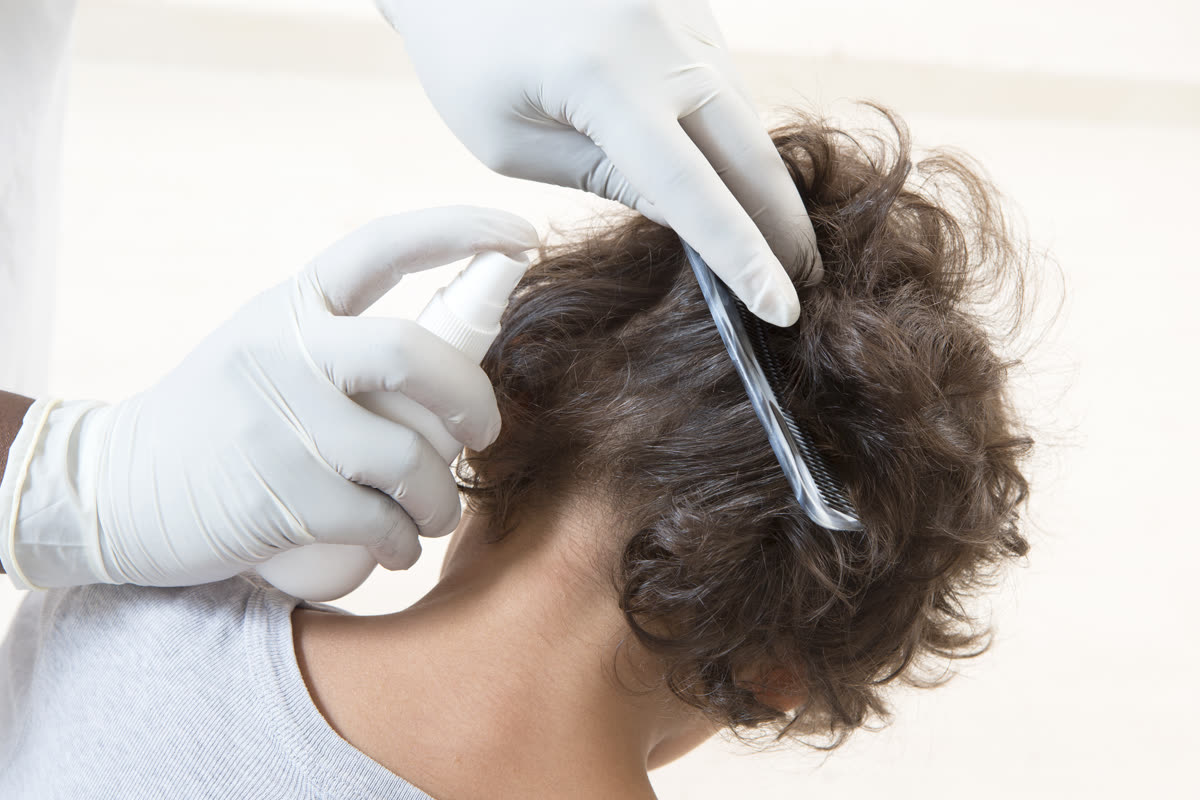
Signs of head lice
The classic tip-off is intense scalp itching. Look for:
- Nits — tiny eggs attached to hair strands that resemble flakes of dandruff — they can survive for over two weeks
- Live lice — harder to detect; best spotted near the scalp under strong light. Once hatched, lice can live on a human host for up to a month
- Red bumps — severe infestations may cause small red bumps on the scalp, neck, or shoulders that can become scaly or ooze if scratched excessively
How lice spread
Head lice — medically, pediculosis capitis — spread primarily through direct physical contact between people. The condition is highly contagious, but lice do not transmit or cause diseases. They're most prevalent among young school-aged children, though anyone can contract them, particularly in densely populated living conditions. Infestations affect millions of people globally each year — and they are not a reflection of personal cleanliness.
Treatment that clears them
Start treatment immediately if you find nits — lice spread rapidly. An over-the-counter 1% permethrin lotion or shampoo, commonly known as Nix, is typically recommended first. Follow the application instructions closely, and do a follow-up check for lice after eight hours.
Removing all the eggs is crucial. Nits attach firmly to hair strands and are challenging to eliminate, so use a special fine-toothed nit comb (available in metal or plastic) — applying olive oil or beeswax to the hair or comb beforehand can aid removal.
Finally, launder all bedding, towels, and clothing that came into contact with the lice or the infested person in hot water with detergent. If head lice persist after home treatment, come see us — prescription medications and further treatment options are available.
Related: Scabies · Rashes & Dermatitis
This page is general education, not a diagnosis — see a dermatologist in Peachtree City about your specific skin concern.
Common questions
No. Lice spread through direct physical contact and are common wherever kids gather. They affect millions of people worldwide each year and are not an indicator of poor hygiene.
No — head lice are a genuine nuisance and the itching is real, but they do not transmit or cause diseases.
If lice persist after careful over-the-counter treatment — correct application, the eight-hour follow-up check, thorough nit combing, and hot-water laundering — it's time for a visit. Prescription medications and further treatment options are available.
Nits cement themselves to hair strands, so a fine-toothed nit comb (metal or plastic) is the tool for the job. Coating the hair or comb with olive oil or beeswax first helps them slide off — and every egg needs to go, since nits can survive more than two weeks.
Ready to have it looked at?
Same-day and next-day appointments are often available · 4.8 from 360+ Google reviews. Mon–Fri · 7:30am–5:00pm.