
Medical Dermatology
Cold Sore & Herpes Simplex Treatment in Peachtree City, GA
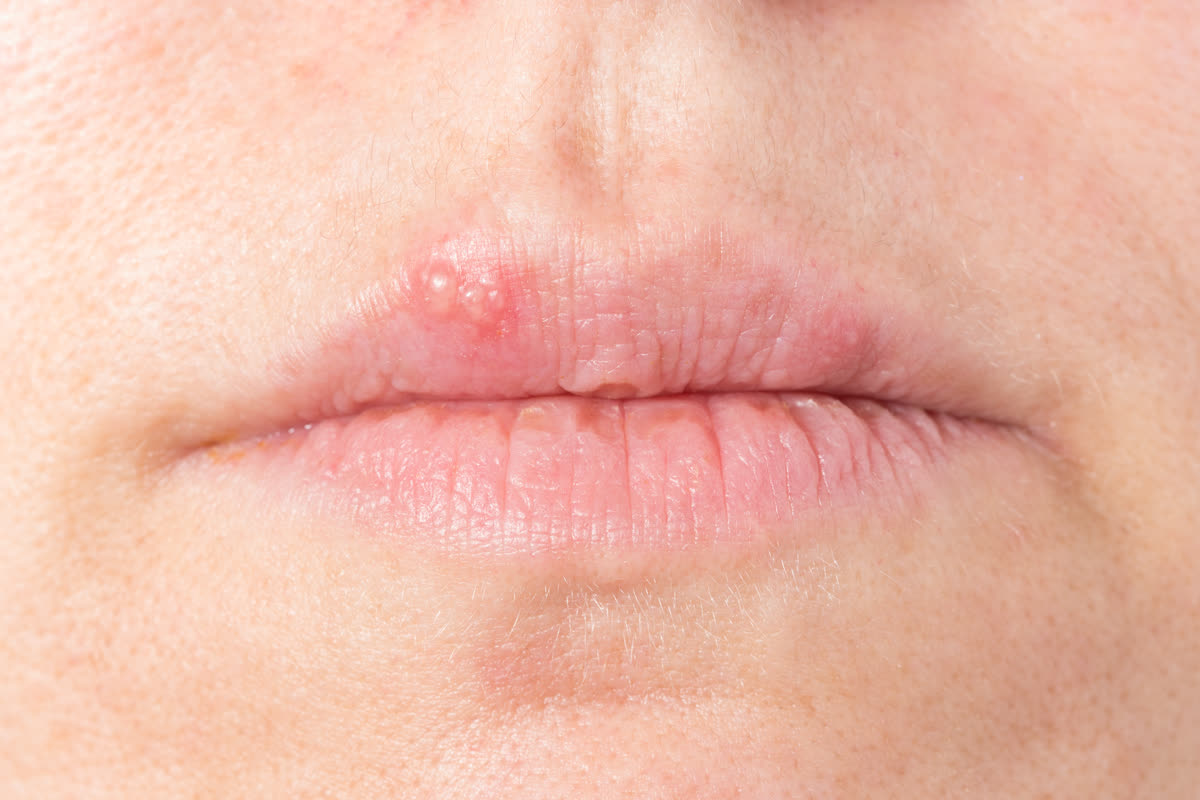
Cold sores — herpes simplex, also called oral herpes or herpes labialis — are painful sores on the lips, mouth, or gums caused by the herpes simplex virus type 1 (HSV-1). The virus is extremely common: many people contract it as infants or children, and by age 20 a significant majority of people in the United States have been exposed. There's no cure, but outbreaks are very manageable — and prescription antivirals can make them shorter, milder, and less frequent.
How the virus spreads and flares
HSV-1 spreads easily through direct contact — touching, kissing, and sharing personal items like razors, towels, and dishes. (Genital herpes is typically caused by herpes simplex virus type 2 — though HSV-1 is an increasingly common cause of genital herpes, spread through oral sex.)
Symptoms may appear one to three weeks after exposure and can include mouth ulcers. For many people, the virus then remains dormant in facial nerve tissues before reactivating. Outbreaks range from mild to severe: cold sores or fever blisters accompanied by itching, burning, or tingling around the mouth, and sometimes sore throat, fever, swollen glands, or difficulty swallowing. Common triggers include stress, illness, fever, sun exposure, and menstruation.
Treating an outbreak
Symptoms usually resolve on their own within one to two weeks. To ease them in the meantime: rinse with salt water, take a pain reliever like Tylenol, apply ice or warm compresses to the sores, or clean them gently with antiseptic soap and water. It's best to avoid spicy or acidic foods and hot drinks during an outbreak.
For severe symptoms, we may prescribe antiviral medications such as acyclovir, famciclovir, or valacyclovir — they're more effective when taken early in an outbreak. Antiviral creams are also available, and people who experience frequent outbreaks might take these medications regularly to keep them suppressed.
One important note: in infants and in people with compromised immune systems, herpes simplex can pose serious risks — medical consultation is crucial in those cases.
Preventing the next one
Daily habits matter. Use sunblock and lip balms with zinc oxide (sun exposure is a classic trigger), don't share eating utensils or personal items, and wash dishes, towels, and linens in hot water after use.
Related: Shingles (Herpes Zoster) · Rashes & Dermatitis
This page is general education, not a diagnosis — see a dermatologist in Peachtree City about your specific skin concern.
Common questions
They're related but distinct. Cold sores are usually caused by HSV-1, while genital herpes is typically caused by HSV-2 — though HSV-1 can also cause genital infections, most often through oral sex. Having one doesn't mean you have the other.
Without treatment, most outbreaks resolve on their own within one to two weeks. Prescription antivirals can shorten that — they work best when started early, at the first tingle.
After the first infection, the virus stays dormant in facial nerve tissue and can reactivate. Common triggers are stress, illness, fever, sun exposure, and menstruation. If outbreaks are frequent, taking antiviral medication regularly can keep them suppressed.
In infants and in people with compromised immune systems, herpes simplex can pose serious risks — those situations call for prompt medical care. For everyone else, come in when outbreaks are severe, unusually painful, or keep coming back.
Ready to have it looked at?
Same-day and next-day appointments are often available · 4.8 from 360+ Google reviews. Mon–Fri · 7:30am–5:00pm.